
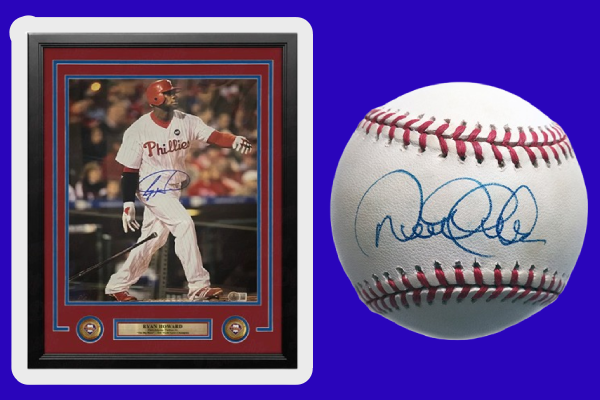
What Does Authentication Mean?
Authentication is the process of verifying that a sports autograph or collectible is genuine. For autographs, this means confirming that the athlete or sports figure actually signed the item and the signature is not a reproduction, forgery, or a stamp.
Authentication typically involves these verification methods:
- Signature comparison and analysis
- Ink and material examination
- A provenance review, which is a history of ownership
- Certification from a recognized authentication service
Without authentication, even rare-looking collectibles may be difficult to sell at fair market value.
Why Authentication Is So Important in Today’s Market
The market for sports autographs and collectibles has expanded significantly in recent years. Unfortunately, the number of counterfeit and fake items in circulation has also increased.
For pawn shops, collectors, and buyers, authentication serves as a safeguard. It ensures that buyers are getting what they pay for, sellers receive accurate, competitive offers, and the marketplace remains trustworthy.
In Temple City, where many sellers bring in inherited items, estate collections, or long-held memorabilia, verification helps clarify what’s truly valuable.
Authentication Directly Impacts Value
One of the biggest reasons authentication matters is simple. Authenticated sports autographs and collectibles are worth more. A signed baseball without documentation may raise questions about its authenticity. That same baseball, accompanied by a certificate of authenticity from a recognized authority, becomes far more desirable and easier to evaluate.
Authentication can increase buyer confidence, reduce pricing uncertainty, and speed up the selling or pawning process. In many cases, the difference in value between authenticated and non-authenticated collectibles can be substantial.
Protecting Sellers From Undervaluation
Without authentication, pawn shops must factor in risk. If there’s no proof an autograph is real, the offer may be lower to account for uncertainty. Authentication protects sellers by verifying legitimacy before negotiation, supporting higher, more accurate appraisals, and preventing unnecessary doubt about authenticity. If you’re confident an autograph is genuine, having it authenticated helps ensure that confidence is reflected in its value.
Avoiding the Risk of Selling Counterfeit Items
Many people don’t realize they own a fake item, especially if it was purchased years ago, gifted, or inherited. Selling counterfeit sports autographs unknowingly can lead to frustration and wasted time.
Authentication helps identify the following:
- Reproductions or printed signatures
- Autopen or machine-signed items
- Forged or altered collectibles
Knowing the truth upfront allows sellers to make informed decisions before attempting to sell or pawn an item.
What Types of Items Benefit Most From Authentication?
While many collectibles can benefit from authentication, it’s even more important for these items:
- Signed jerseys, balls, helmets, and equipment
- Autographed photos and posters
- Vintage or rare trading cards
- High-value memorabilia tied to famous athletes
For sports autographs, authentication is often essential, not optional, when determining market value.
How Pawn Shops Use Authentication in the Evaluation Process
Reputable pawn shops rely on authentication to assess risk, verify value, and ensure compliance with industry standards.
When reviewing sports autographs and collectibles, a pawn shop may take these precautions:
- Examine existing certificates of authenticity
- Reference trusted authentication services
- Compare signatures to known examples
- Evaluate condition and presentation
Authentication allows pawn shops to make fair offers backed by confidence and expertise.
Trusted Authentication Services Matter
Not all certificates of authenticity carry the same weight. Well-known third-party authentication services are widely recognized across the collectibles market.
Items authenticated by reputable services are easier to evaluate, more trusted by buyers, and more likely to command higher offers. While not every item must be authenticated before visiting a pawn shop, having credible documentation can significantly improve negotiations.
Can You Still Sell Items Without Authentication?
Yes, many people sell sports autographs and collectibles without prior authentication. However, your expectations should be realistic.
Without authentication, offers may be more conservative, evaluation may take longer, and value may be based solely on condition and demand. Pawn shops often advise sellers on whether it’s worthwhile to pursue authentication based on the item’s potential value.
Authentication Builds Trust on Both Sides
At its core, authentication creates trust. Sellers feel confident they’re receiving a fair deal, and buyers trust that the item is legitimate. For pawn shops in Temple City, this trust is essential. It supports long-term customer relationships and ensures a professional, transparent selling experience.
Tips for Sellers Before Bringing in Sport Autographs and Collectibles
If you’re planning to sell or pawn collectibles, consider these tips:
- Bring any certificates, receipts, or documentation you have
- Avoid cleaning or altering autographed items
- Store items safely to preserve their condition
- Be honest about what you know and don’t know about the item’s history
Even without authentication, a knowledgeable pawn shop can guide you on the next steps.
Getting Ready to Sell Your Sports Memorabilia and Collectibles
Authentication plays a crucial role when selling sports autographs and collectibles. It protects value, reduces uncertainty, and builds trust throughout the selling process. In a market where counterfeits exist and prices vary widely, authentication provides clarity and confidence.
If you’re in or near Temple City and are considering selling sports autographs or collectibles, understanding the importance of authentication can help you get the most from your items. Whether you already have documentation or need guidance, working with a reputable local pawn shop ensures your collectibles are evaluated with care, expertise, and transparency.
Stop by Azusa Mega Pawn at 1028 Gladstone Street in Azusa, CA, to get your sports memorabilia appraised. We’re open Monday through Saturday from 9 am to 6 pm local time. If you have questions about our process and shop beforehand, check out our FAQ page.