
Start by Taking Inventory
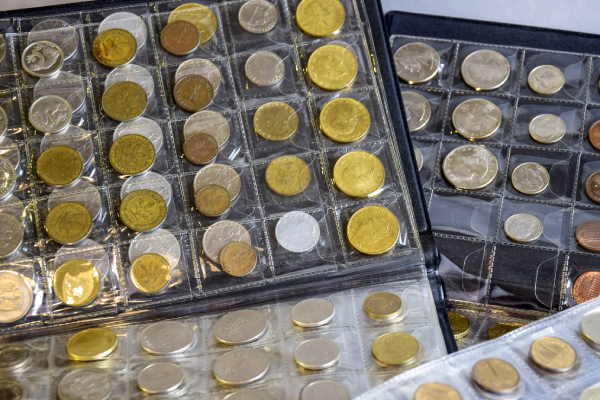
The first step when inheriting coins and collectibles is simply organizing what you have. Estate collections often come in many forms—coin albums, storage boxes, jars, envelopes, or display cases. Some items may be neatly cataloged, while others may have little to no information attached.
Begin by sorting the collection into categories. Here are some examples:
- Loose coins
- Coin sets or albums
- Commemorative coins
- Foreign currency
- Collectible memorabilia or tokens
- Vintage items tied to historical events
Taking photos and writing down basic descriptions can also help you keep track of everything while you research or seek professional evaluations.
Resist the Urge to Clean the Coins
A common mistake people make when inheriting coins is trying to clean them. While it may seem like polishing a coin will improve its appearance or value, the opposite is often true. Cleaning coins can actually reduce their value because collectors and buyers typically prefer items in their original condition.
Scratches, polishing marks, or chemical damage can make a rare coin less desirable. If you discover coins that look dirty or tarnished, it’s best to leave them exactly as they are until a professional can examine them.
Look for Key Details That Affect Value
Not all coins and collectibles have the same value. Some may only be worth their metal content or face value, while others could be worth significantly more to collectors. Several factors typically influence value, including the following:
Age: Older coins are often more collectible, especially those from the early 20th century or earlier.
Rarity: Limited mintages or discontinued designs can increase demand among collectors.
Condition: Coins with less wear or damage are generally more valuable.
Metal content: Gold and silver coins often retain value based on precious metal prices.
Historical significance: Some collectibles are valuable because of the events or time periods they represent.
Even common coins can sometimes surprise people if they come from specific years or mints.
Research Before Making Quick Decisions
After inheriting coins and collectibles, it’s a good idea to spend some time learning about what you have before deciding to sell or store them.
You might start by doing the following:
- Searching online for similar items
- Reviewing coin collector guides
- Checking dates and mint marks on coins
- Looking up recognizable brands or collectible series
This research doesn’t need to be exhaustive, but having a general understanding can help you feel more confident when discussing the collection with professionals.
Consider Having the Collection Evaluated
If you suspect that some of the items may have value—or if you simply want a clearer picture of what you inherited—having the collection evaluated is a smart step. Professionals who regularly work with coins and collectibles can identify items that may be rare, historically significant, or made of valuable metals. They can also explain how the item’s condition and demand affect market value.
Local pawn shops are often a convenient place to start because they regularly buy and evaluate collectible items. The staff’s experience with both collectors and sellers allows them to provide insight into current market demand.
Decide Whether to Keep, Sell, or Pawn the Items
Once you have a better understanding of the collection, you can decide what makes the most sense for your situation. There are generally three main options.
Keep the Collection
Some people choose to keep inherited coins and collectibles because of their sentimental value. Family collections often represent years of dedication and personal interest from the original collector. If you decide to keep the items, consider storing them properly. Protective holders, cool storage environments, and limited handling can help preserve their condition.
Sell the Items
If the collection doesn’t hold sentimental meaning or you prefer to convert it into cash, selling may be the right choice. Pawn shops often purchase coins and collectibles, especially those made of gold or silver, or those that appeal to collectors. Selling locally can be a faster and simpler option compared to navigating online marketplaces.
Use the Collection for a Pawn Loan
Another option some people consider is using valuable coins as collateral for a short-term loan. Pawn loans allow you to borrow money while temporarily leaving the items with the shop. Once the loan is repaid, you receive the coins back. This can be helpful if you need quick funds but aren’t ready to permanently part with your inherited items.
Watch Out for Common Estate Collection Surprises
Estate finds sometimes contain unexpected items that people overlook at first glance. For example, coin collections may include:
- Silver coins from before 1965
- Commemorative sets
- Rare mint errors
- Foreign coins with collectible demand
- Gold coins stored with regular currency
Similarly, collectible items might include vintage memorabilia, historical tokens, or rare collectibles that appeal to niche buyers. Because these items can easily blend into larger collections, having experienced professionals review them can sometimes reveal surprising value.
Why Local Pawn Shops Can Help
When dealing with inherited coins and collectibles, many people prefer working with local businesses that understand the regional market. Pawn shops regularly handle estate items and collections, making them familiar with evaluating everything from loose coins to larger collectible sets.
A reputable pawn shop can help you with these points:
- Understand the potential value of items
- Learn which pieces may be more desirable to collectors
- Decide whether selling or pawning makes sense
- Receive a straightforward offer if you choose to move forward
The process is typically quick and transparent, which is helpful when you’re managing multiple estate responsibilities.
Turning Estate Finds Into Opportunity
Discovering coins and collectibles during an estate cleanout can feel like uncovering a small piece of history. Each coin, token, or collectible item may have a story behind it—whether it was gathered during travels, passed down through generations, or carefully collected over many years.
Taking the time to evaluate these items ensures you don’t overlook something meaningful or valuable. By organizing the collection, avoiding common mistakes like cleaning coins, and consulting knowledgeable professionals, you can make thoughtful decisions about what to do next. Whether you choose to keep the items, sell them, or explore loan options, inherited coins and collectibles can become an opportunity to honor the past while making practical choices for the present.
If you’ve inherited coins or collectibles and are interested in knowing their value, stop in to Azusa Mega Pawn at 1028 West Gladstone Street in Azusa, CA. We can guide you through the appraisal process and your options should you decide to sell the collection or get a collateral loan.